Is Godfather of Harlem Accurate About Bumpy Johnson and Malcolm X?
Mobsters DailyGodfather of Harlem is accurate in its foundations and generous in its details: Bumpy Johnson really did walk out of prison in 1963 to reclaim Harlem's rackets, he really was a convicted heroin trafficker of genuine neighborhood legend — but his intimate friendship with Malcolm X, and his war with Vincent 'Chin' Gigante as the show stages it, are dramatized well past what the record supports. Forest Whitaker's performance sells the blend so completely that separating the layers takes some care.
The real Bumpy underneath
Ellsworth 'Bumpy' Johnson earned his crown early, as enforcer and partner to numbers queen Stephanie St. Clair in her war against Dutch Schultz, then spent a decade in federal prison on a 1951 narcotics conspiracy conviction before the 1963 homecoming the series opens with. The heroin was no invention: Bumpy was a major Harlem wholesaler in an era when the trade devastated the neighborhood he claimed to protect, a contradiction the show at least argues with. His legend also runs through the man who claimed to be his driver and successor, examined in was Frank Lucas really Bumpy Johnson's driver? An earlier screen version of the same life anchors who was the real Bumpy Johnson in Hoodlum?
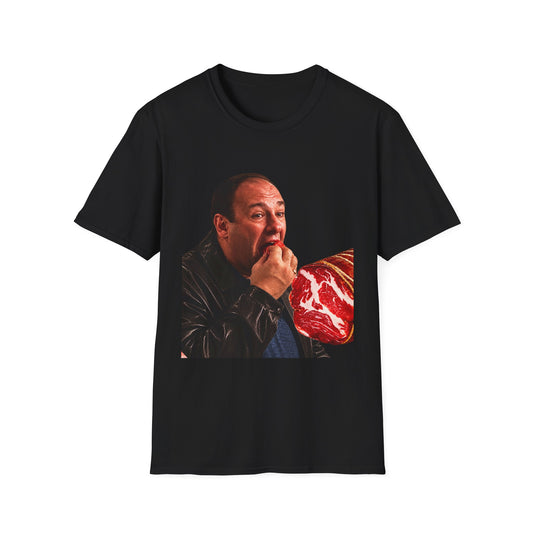
The show's Harlem is real; its calendar and its confidences are the fiction — which is why, with November here and the holidays coming, rewatch season belongs to the Tony Soprano Ugly Christmas Sweater: Tony in black-and-white stencil, nothing covering the design, built for holiday parties and long nights back in this world.
Malcolm, the Chin, and the compression problem
Bumpy and Malcolm X genuinely moved through the same Harlem — Malcolm had been 'Detroit Red,' a street hustler, before prison and the Nation of Islam, and the two men knew of and respected each other. But the series' close, confiding friendship, with Bumpy as a back-channel adviser through Malcolm's break with the Nation and final year, goes beyond documented history; historians treat the intimacy as plausible invention rather than established fact. Likewise the Chin: Vincent Gigante was a rising Genovese soldier in the 1960s — famous for the failed 1957 hit on Frank Costello — but a season-long, equal-footing heroin war between him and Bumpy squeezes a shifting decade of Harlem-Italian friction into two chairs. What the show gets emotionally right is the endgame: Bumpy died of heart failure in 1968, Harlem's last old-school king, as the heroin economy he helped build was passing to younger, colder men.
Frequently asked questions
Did Bumpy Johnson really know Malcolm X? They knew each other from the same Harlem world and there was mutual respect, but the close friendship the series depicts is dramatized beyond the documented record.
Was Bumpy Johnson really a heroin dealer? Yes. He served roughly a decade on a 1951 federal narcotics conviction and remained a major Harlem heroin figure after his 1963 release.
How did the real Bumpy Johnson die? Of heart failure in July 1968, in a Harlem restaurant — he was 62 and still the neighborhood's reigning underworld figure.
Keep reading: Stephanie St. Clair, Harlem's numbers queen · how accurate is American Gangster? · was Frank Lucas a real person?
From the shop: You Look Like a Gangster Tee — the compliment every mob fan actually wants to hear.
Join the conversation
Still thinking about this one? That is exactly what The Social Club is for. It is the MobstersDaily Discord, and it is the best Sopranos community on the internet: serious Sopranos talk, meme wars, Friday movie nights, a casino, and an arcade, all run by fans who never stopped rewatching. If you want to be part of the Sopranos community, this is where it lives.